Understanding Manual Driving Lessons: A Comprehensive Guide
Driving is not simply about obtaining from point A to point B; it is a skill that requires understanding and practice, specifically when it concerns manual transmission automobiles. Manuals, typically revered for their ability to give drivers more control over their vehicle, are steadily restoring appeal in a world increasingly dominated by automatics. This article will explore manual driving lessons, highlighting their importance, what to expect throughout lessons, and frequently asked questions.
The Importance of Learning Manual Driving
- Greater Control: Manual transmission cars enable motorists to have complete control over gear changes. This is especially beneficial in situations like driving on hills or navigating slippery roads.
- Fuel Efficiency: Manual lorries can be more fuel-efficient than automatics, offering the driver the capability to shift gears optimally.
- Economical: Manual cars and trucks are frequently more economical to acquire and maintain than their automatic counterparts.
- Boosted Driving Skills: Learning to drive manual improves one's overall driving skill and understanding of lorry mechanics.
- Improved Coordination: Driving a manual transmission requires the driver to develop much better coordination and timing, especially in utilizing the clutch and gear stick.
What to Expect in Manual Driving Lessons
When embarking on manual driving lessons, trainees can expect a number of necessary elements. Below is a normal structure of a manual driving lesson:
1. Understanding the Vehicle
Before hitting the road, instructors will normally cover the following:
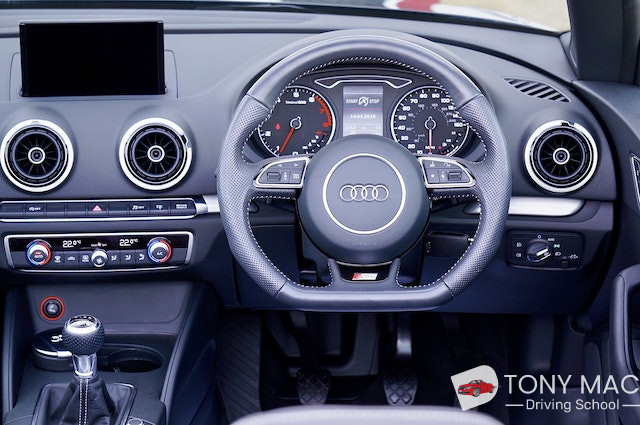
- Dashboard Familiarization: Understanding the numerous dials and indications.
- Clutch, Brake, and Accelerator: Learning the function of each pedal and their order of operation.
2. Engaging the Clutch
The clutch pedal is one of the most vital elements for a manual driver. Learners will practice:
- Finding the Bite Point: Understanding when the engine begins to engage as the clutch is released.
- Smooth Operation: Techniques for engaging and disengaging the clutch efficiently to prevent stalling.
3. Shifting Gears
Lessons will cover:
- Upshifting: Transitioning to greater gears.
- Downshifting: Shifting to lower gears when required.
- Rev Matching: Techniques to guarantee smooth equipment changes and to prevent engine damage.
4. Navigating Different Situations
This consists of:
- Starting on a Hill: Learning strategies to prevent rollback.
- Driving in Traffic: How to handle equipment changes efficiently.
5. Safe Driving Practices
Instructors will highlight:
- Defensive Driving: Awareness of surroundings and preparing for other chauffeurs' actions.
- Correct Use of Mirrors: Learning how to make use of mirrors when shifting gears.
Practice Sessions
Many manual driving lessons involve hands-on practice. It's important for learners to hang around behind the wheel under the assistance of qualified instructors.
Additional Considerations
It's essential to bear in mind that learning manual transmission needs perseverance and practice. Every driver learns at their own pace, and instructors will deal with individual learning speeds.
Table: Basic Comparative Features of Manual vs. Automatic Transmission
| Function | Manual Transmission | Automatic Transmission |
|---|---|---|
| Driver Control | High (gear choice control) | Low (equipment selection automatic) |
| Fuel Efficiency | Normally more effective | Generally less efficient |
| Maintenance Cost | Usually lower | Typically greater |
| Knowing Curve | Steeper knowing curve | Typically easier |
| Expense of Vehicle | Often less costly | Typically more expensive |
Often Asked Questions (FAQs)
Q1: How long does it normally require to learn manual driving?
A1: The period differs by person; however, many learners normally need about 5 to 10 lessons to end up being proficient.
Q2: Is it harder to learn manual driving than automatic?
A2: Most people find manual driving to be more difficult initially due to the coordination required. Nevertheless, with Driver Training , it ends up being easier, while automatic driving is generally more straightforward from the start.
Q3: Can I learn manual driving if I already understand how to drive an automatic?
A3: Yes, having a background in automatic driving can help, though transitioning to manual will require some change to the gear-changing procedure.
Q4: Do I require special insurance for finding out to drive a manual?
A4: It is advisable to consult your insurance representative about coverage specifics while discovering, as some policies just cover automatic driving.
Q5: Can anyone learn to drive a manual vehicle?
A5: Yes, with dedication and practice, anyone can learn to drive a manual lorry, though it might require more effort compared to automatic driving.
Manual driving lessons are an indispensable opportunity for those interested in acquiring a more nuanced understanding of vehicle control, boosting both skills and confidence behind the wheel. With a dedicated approach and the assistance of qualified trainers, transitioning to manual driving can be a satisfying experience. Whether for personal satisfaction, economic advantage, or to enhance driving skills, manual driving is a worthy pursuit that promises a fulfilling mastery of the open road.